IBS (Irritable Bowel Syndrome): Causes, Symptoms, Types, Diet, and Effective Management
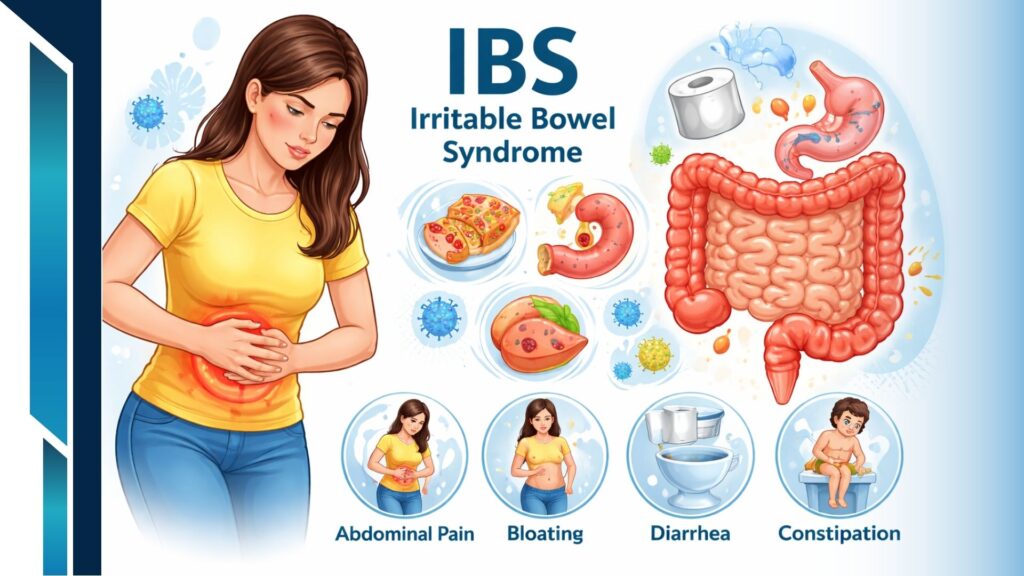
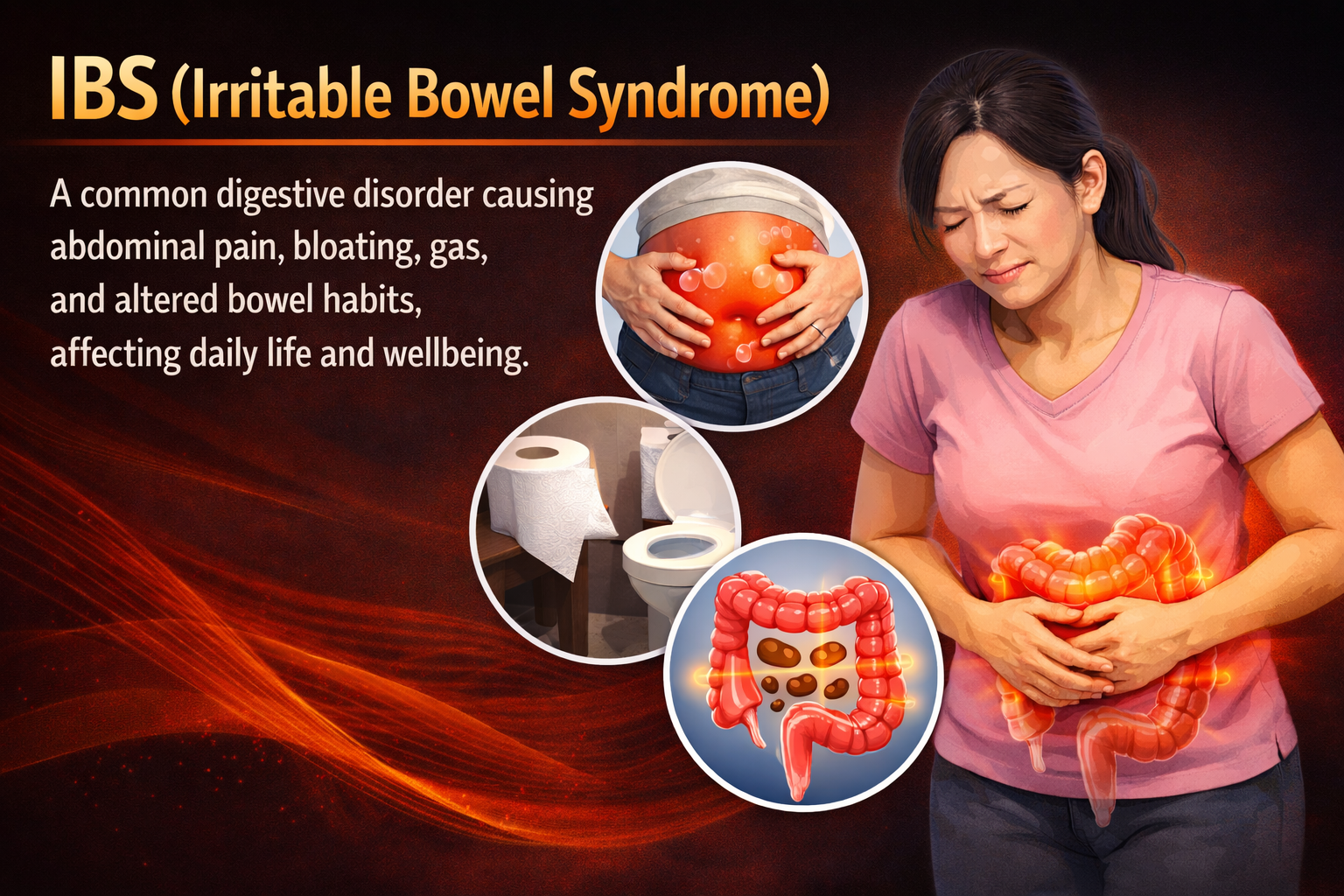
IBS (Irritable Bowel Syndrome) is a common yet often misunderstood digestive disorder that affects the large intestine. Although it is not life-threatening, IBS can significantly impact daily life. Understanding IBS properly helps individuals manage symptoms better and improve overall gut health.
What Is Irritable Bowel Syndrome (IBS)?
IBS is a functional gastrointestinal disorder, which means the digestive tract looks normal but does not function as it should. In other words, the problem lies in how the gut works, not in structural damage.
Unlike inflammatory bowel diseases, IBS does not cause ulcers, bleeding, or permanent intestinal damage. However, symptoms can be persistent and uncomfortable.
How Common Is IBS?
IBS affects 10–15% of the global population, and it is more common in:
- Young adults
- Women
- People under chronic stress
Moreover, many people live with IBS for years without proper diagnosis.
Common Symptoms of IBS
Symptoms vary from person to person. However, the most frequent IBS symptoms include:
- Abdominal pain or cramping (often relieved after bowel movements)
- Bloating and excessive gas
- Diarrhea, constipation, or both
- Mucus in stool
- Feeling of incomplete bowel emptying
Importantly, symptoms often worsen after meals or during stressful periods.
Types of IBS
IBS is classified based on bowel movement patterns:
1. IBS-D (Diarrhea-Predominant)
- Frequent loose or watery stools
- Urgency to use the toilet
2. IBS-C (Constipation-Predominant)
- Hard, infrequent stools
- Difficulty passing stool
3. IBS-M (Mixed Type)
- Alternating diarrhea and constipation
4. IBS-U (Unclassified)
- Symptoms do not fit clearly into other categories
Understanding the type of IBS is essential because treatment strategies differ for each.
What Causes IBS?
Although the exact cause of IBS is unknown, several factors are strongly linked to its development:
Gut-Brain Interaction
Firstly, poor communication between the brain and gut can lead to abnormal bowel movements and pain sensitivity.
Food Sensitivities
Certain foods trigger symptoms, especially:
- Dairy products
- Spicy or fatty foods
- Artificial sweeteners
Stress and Mental Health
Stress, anxiety, and depression can significantly aggravate IBS symptoms, as they interfere with normal gut motility and disrupt digestive balance.
Gut Microbiome Imbalance
When gut bacteria become imbalanced, it can gradually lead to uncomfortable symptoms such as bloating, excess gas, and irregular bowel movements.
Hormonal Changes
This explains why IBS symptoms often worsen during menstrual cycles.
IBS Triggers You Should Know
While triggers vary, common IBS triggers include:
- Large meals
- Caffeine and alcohol
- Processed foods
- Lack of sleep
- Emotional stress
Keeping a food and symptom diary helps identify personal triggers.
Diagnosis of IBS (Irritable Bowel Syndrome)
There is no single test to diagnose IBS. Doctors usually diagnose IBS based on:
- Symptom history
- Rome IV criteria
- Ruling out other conditions like celiac disease or infections
In some situations, doctors may also recommend blood or stool tests to rule out more serious underlying conditions.
IBS Diet: What to Eat and Avoid
Low-FODMAP Diet (Special Information)
One of the most effective ways to manage IBS through diet is by following a low-FODMAP approach. By reducing fermentable carbohydrates, this eating plan can significantly ease gas, bloating, and overall digestive discomfort, helping the gut feel calmer and more balanced.
Foods to Limit:
- Onion, garlic
- Wheat-based foods
- Beans and lentils
- Milk and soft cheese
IBS-Friendly Foods:
- Rice, oats
- Bananas, blueberries
- Eggs, fish
- Lactose-free dairy
Notably, this diet should be followed under professional guidance.
Lifestyle Changes That Help IBS
In addition to diet, lifestyle plays a major role:
- Eat smaller, regular meals
- Exercise moderately (walking, yoga)
- Manage stress through meditation or breathing exercises
- Sleep at least 7–8 hours daily
Consistency, rather than perfection, makes the biggest difference.
Treatment Options for IBS
Although IBS has no permanent cure, symptoms can be effectively managed through:
- Antispasmodic medications
- Fiber supplements (for IBS-C)
- Anti-diarrheal drugs (for IBS-D)
- Probiotics to support gut bacteria
- Psychological therapies such as CBT
Treatment is often personalized, depending on symptoms and triggers.
IBS vs Serious Digestive Disorders
It is important to consult a doctor if you experience:
- Unexplained weight loss
- Blood in stool
- Persistent vomiting
- Night-time symptoms
These are not typical IBS symptoms and may indicate other conditions.
Living Well with IBS (Irritable Bowel Syndrome)
Living with IBS requires patience and self-awareness. While symptoms may fluctuate, most people learn to manage IBS successfully with the right combination of diet, stress control, and medical support.
Most importantly, IBS does not raise the risk of cancer, and it also does not reduce life expectancy, allowing people to live a normal, healthy life.